

Epoxy vs polyurethane flooring is a comparison between material families that can appear in different layers of a flooring system. The name alone does not identify the finish, build-up or performance of a whole installation. These five checks help you compare proposals for a home, garage or workplace and understand what the product documentation actually covers.
1. Compare complete systems rather than a single label
Ask for the materials used from the prepared substrate through to the wearing surface. A proposal may use different resin types in different layers. Record the primer, main layer and protective finish where applicable, together with the purpose each layer serves.
For epoxy vs polyurethane flooring, the useful comparison is between two complete specifications for the same room. Ask what conditions each assumes and which performance requirements it is intended to meet. An isolated product name cannot answer all of those questions.
2. Start with the intended use and substrate
Explain the room’s traffic, likely spills, cleaning routine and any equipment that will stand or move across it. Include the entrance conditions and whether the floor is heated. Tell the installer about known movement, old coatings and repairs.
The FeRFA classification guide groups resin systems by their type and intended duty. Use it to frame questions about the chosen build-up. The proposed products and substrate assessment still need to match your actual project. Our survey guide explains what information helps at that stage.
3. Ask for evidence for the stated performance
If a quotation refers to UV resistance, chemical resistance or another technical property, ask where that claim appears in the documentation and what conditions apply. Check whether it concerns a complete system or one specific product.
For example, Sika’s Sikafloor-304 W product page describes a polyurethane seal coat for its stated flooring range. It provides an example of product-specific information. It is not a recommendation to combine it with an unrelated system or an indication that every polyurethane product has identical properties.
4. Compare the finish you will see and maintain
Review samples for texture, colour and sheen in the room’s lighting. Ask how the selected surface should be cleaned and what routine will suit your use. For an interior, compare it with cabinets and furniture. For a garage or workplace, include the likely contamination and cleaning equipment in the discussion.
Epoxy vs polyurethane flooring decisions should also include repair expectations. Ask what happens if one area is damaged and whether a repair may have a visible boundary. Colour matching and the practical repair scope depend on the installed system, its condition and the appearance you are prepared to accept.
5. Compare epoxy vs polyurethane flooring quotations
Request the preparation and installation stages for each proposal, along with the restrictions before the room can return to use. Ask who will confirm each handover stage and how site conditions could affect the schedule. Plan vehicle, appliance or furniture access around that information.
Check which repairs are included and how unexpected substrate conditions will be handled. Read the written aftercare and warranty terms supplied with the quote. Use the same measured area and practical brief when comparing epoxy vs polyurethane flooring proposals, so differences in scope are visible.
Discuss epoxy vs polyurethane flooring for your project
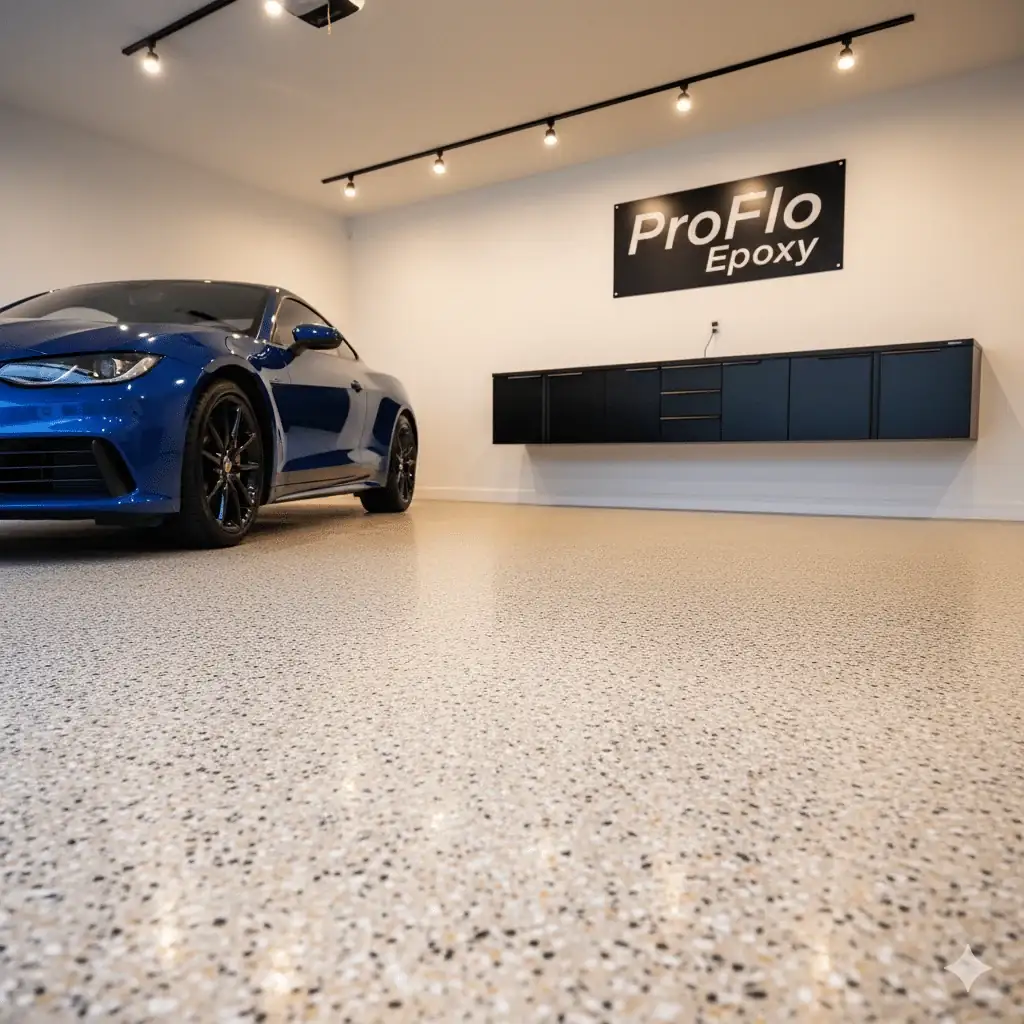
For Birmingham, Walsall and the wider West Midlands, start with the room, construction and intended use. Our Flake flooring service describes a decorative garage option and the finish and cleaning guide helps define practical requirements. A useful epoxy vs polyurethane flooring comparison ends with a clear explanation of why the complete proposed system suits the project.